Practice makes perfect, and a reliable golf ball practice tube can save you time and effort during every session. This article reviews five top options, highlighting build quality, ease of use, capacity, and practical features. Each pick is evaluated for durability, portability, and how quickly you can collect and dispense balls without bending or back strain. Use the buying guide to compare designs—from aluminum to plastic tubes—and choose the right model for your routine.
Summary of chosen products
| Product | Brand | Material | Capacity | Notable Feature |
|---|---|---|---|---|
| Golf Ball Retriever Professional Picker | Golfupp | Plastic | Unspecified | Easy release, deep grass pickup |
| The Practice Stick Ball Shagger | ProActive Sports | Plastic | Holds up to 23 balls | Lightweight, simple design |
| Golf Ball Shag Tube Professional | THE GOLFER STORE | Aluminum | Unspecified | Two-section design for storage |
| Golf Ball Retriever With Storage Bag | TRINKA | Aluminum | Up to 24 balls | Removable bag and high capacity |
| LOVACE Aluminum Golf Ball Picker Upper | LOVACE | Aluminum | 34.8 inch length | Rust-resistant, easy handling |
Golf Ball Retriever Professional Picker
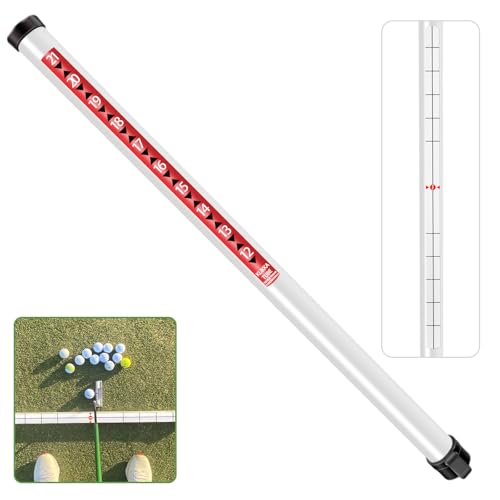
The Golfupp plastic shag tube emphasizes user-friendly operation and reliability. Its mouth grip requires a simple press to capture a ball, and an integrated release mechanism minimizes accidental drops. Constructed from wear-resistant plastic, this design prioritizes value and everyday use. The top grip helps protect the hand during repeated pickups, making it suitable for long practice sessions in driving ranges or backyards. While capacity is not specified, the model focuses on straightforward, efficient retrieval, including effective performance in dense grass or uneven terrain.
Core features in practice terms include effortless ball intake, a dependable release, and a design that minimizes hand fatigue. This option is well-suited for golfers who value a simple setup and quick, repetitive pickups after putting drills or long-range practice. The absence of a complex assembly keeps maintenance minimal, which can be a plus for busy players or instructors delivering quick sessions.
The Practice Stick Ball Shagger / Retriever

The Practice Stick Ball Shagger from ProActive Sports is noted for its lightweight yet durable build. It can hold up to 23 golf balls, offering a practical balance between capacity and portability. The simple design emphasizes easy use—just align the tube with the ball, lift, and release as needed. This model fits well for players who want a straightforward option that remains quick and effective in a range setting or practice field.
Key considerations include the trade-off between higher capacity and weight. While a larger tube can hold more balls, it may add bulk to transport. For many golfers, carrying a single-stick solution that retrieves multiple balls in one go minimizes interruptions in practice flow. This product’s durability supports frequent use across multiple sessions or coaching setups.
Golf Ball Retriever With Release (Red)
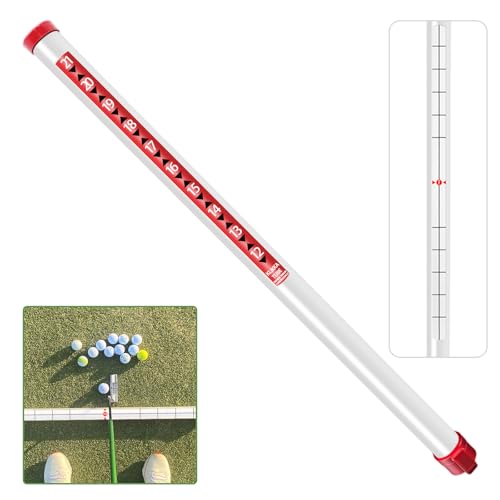
This red Golfupp model shares the same practical design ethos as its black counterpart, featuring a simple hand-press intake and a reliable release mechanism. The durable plastic construction and a user-friendly top grip help prevent hand fatigue across extended practice hours. The standout feature is the straightforward, dependable mechanism that makes ball collection feel almost effortless, especially after repeated shots on the driving range or putting green.
In practice, players benefit from consistent performance in various ground conditions. The release mechanism reduces the chance of balls dropping during retrieval, which helps maintain pace during drills. For players who prefer a vibrant, highly visible tool, the red finish also aids quick location on the course or turf.
Aluminum Shag Tube With Two-Section Design

The aluminum version from THE GOLFER STORE emphasizes durability and reduced weight. A two-section design enhances portability, enabling easy storage in a golf bag or trunk. The aluminum construction increases longevity, resisting impact and wear across seasons of practice. A top grip improves handling comfort, making extended sessions more feasible. The simple intake mechanism mirrors other tubes—press against the ball, insert into the tube, and retrieve—while the sturdy build supports frequent use on varied terrain, including sand and rough grass.
From a practical standpoint, this model offers a strong blend of endurance and convenience. The modular design can aid in transport and quick assembly between drills. If you want a reliable, long-term tool that retains shape and function through regular use, aluminum models like this are a solid choice.
TRINKA Golf Ball Retriever With Storage Bag

The TRINKA model combines an aluminum alloy tube with a detachable storage bag, offering a convenient way to carry and organize balls. This design holds up to 24 golf balls, catering to longer practice sessions without frequent emptying. The four-claw pickup mechanism enhances the chance of securing balls quickly and accurately, while the removable bag simplifies transportation and clean-up after a session. The kit’s versatility makes it a strong choice for golfers who want a durable tool that can double as a utility carrier for practice gear.
Overall considerations include storage convenience, ease of disassembly, and the balance between grip strength and ball retention. The combination of aluminum durability and a carry bag supports frequent use and field-ready practicality for both solo players and coaching groups.
Buying Guide: Key Purchase Considerations And Comparisons
- Material and durability: Aluminum models tend to be lighter and more durable, ideal for frequent use. Plastic tubes are typically cheaper and adequate for casual practice.
- Length and ergonomics: Longer tubes reduce bending and back strain, but can be less portable. Look for grips and soft-touch surfaces to minimize hand fatigue during extended sessions.
- Capacity and release mechanism: Higher capacity is advantageous for longer drills, but consider whether the release mechanism is reliable and easy to operate with one hand.
- Portability and storage: Two-section or modular designs ease transport. If you travel with a bag or cart, modularity can be a deciding factor.
- Maintenance: Materials that resist rust and wear (aluminum, reinforced plastics) require less upkeep. Check for washable components like removable caps and easy-clean surfaces.
- Compatibility and use case: Some tubes suit the range, while others excel in backyard practice or coaching environments. Match the model to your typical practice environment.
- Value and warranty: Compare build quality against price. Look for products with durable grips, reliable releases, and customer service support or warranty.
In summary, aluminum tubes tend to offer longer life and greater portability, while plastic variants provide cost-effective, reliable performance for casual use. Consider how many balls you typically retrieve per session, how often you travel with your equipment, and the amount of bending you want to avoid. A balanced choice combines durability, ease of use, and a practical capacity that aligns with your practice routine.