Discover how dedicated putting aids can improve alignment, balance, and face control on every stroke. This guide highlights five popular golf ball putting aids that provide instant feedback, realistic feel, and practical drill practicality for indoor or outdoor practice. Each product below is selected for its ability to reveal mis-hits, reinforce proper setup, and help you build muscle memory for consistent results on the green.
| Product | Brand | Key Benefit |
|---|---|---|
| PuttOUT Devil Ball Face Angle Trainer | PuttOut | Emphasizes face angle for more puts |
| MAZEL Wheel-Like Practice Ball | MAZEL | Wheel design for instant feedback and alignment |
| Swing Minder Perfect Roll Wheels (Set of 3) | Swing Minder | Triple-pack practice for true roll and stroke feedback |
| PUTTERWHEEL Golf Ball Putting Training Aid (2 Pack) | PUTTERWHEEL | Pink-red alignment cues with wobble for mis-hits |
| Youngy Flat Shaped Putting Ball | Youngy | High visibility and flat-shape feedback for indoors/outdoors |
Note: The table above provides a snapshot of each product’s focus—face-angle feedback, alignment guides, and instant stroke feedback. The sections below expand on how each aid works, what to expect during use, and which practice goals they best support.
PuttOUT Devil Ball Face Angle Trainer

The Devil Ball is designed to help golfers tune their putter face angle at impact, a critical factor that determines the ball’s start direction. It’s built with a flat-edged impact zone that exaggerates the consequences of imperfect face control, providing immediate visual feedback. This makes it a strong option for players who want to translate practice into more consistent starts on the green. The ball includes three built-in difficulty levels, allowing you to progressively challenge yourself by choosing a rounder or flatter contact surface. Regular use can help golfers develop a repeatable setup and a more reliable stroke.
MAZEL Wheel-Like Golf Practice Ball

This wheel-like training ball emphasizes alignment and stroke consistency. A red center line helps you align the putter face and your body, with the wheel design providing instant feedback—the ball wobbles if the stroke is imperfect and rolls straight when the stroke is true. It’s a practical option for focused practice sessions where precision matters, both indoors and on the practice green. The instant feedback reinforces proper tempo and a square face at impact.
Swing Minder Perfect Roll Putting Wheels (Set of 3)

The Swing Minder wheels target true roll and accurate alignment. With three wheels in the set, players can simulate different distances and stroke paths while observing how the ball responds to center contact. The product emphasizes true roll when struck correctly and clearly shows mis-hits through wobble or deviation. This makes it suitable for players who want to train precise stroke mechanics and improve feedback-driven practice sessions on a green or practice mat.
PUTTERWHEEL Golf Ball Putting Training Aid (2 Pack)

The two-pack PUTTERWHEEL focuses on aligning the viewer’s eyes over the ball using contrasting red sidewalls. The design amplifies any stroke error by wobbling and curling off the clubface, helping players instantly recognize mis-hits. This direct feedback is paired with an emphasis on body alignment, promoting a posture where your eyes are consistently over the ball. Use this aid to build repeatable setups and to reinforce a straight, empowered stroke from address to finish.
Youngy Flat Shaped Golf Ball Putting Training Aid
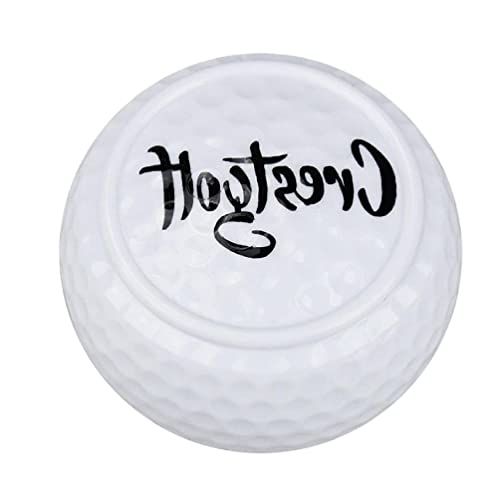
The Youngy flat-shaped design aims to improve accuracy by exposing mis-hits through changes in the ball’s trajectory. The ball is intended for versatile practice, suitable for beginners and more experienced players alike, and works well for indoor and outdoor sessions. Bright color improves visibility in low-light environments, aiding consistent practice and confidence-building drills where line and pace alignment are a priority.
Buying Guide: Key Purchase Considerations
- Practice goals: Choose an aid that targets your most common issues—face angle, alignment, or stroke tempo—and prioritize the feature set that aligns with your improvement plan.
- Feedback type: Some aids emphasize visual feedback (wobbling, rolling deviation), while others provide line alignment cues. Consider which feedback style suits your learning preference.
- Realism and weight: Look for products that simulate the feel and weight of a real golf ball to reinforce authentic stroke mechanics and muscle memory.
- Setting compatibility: If you practice indoors, ensure the device works on mats or in limited spaces. Outdoors, verify stability and portability for range use or greenside practice.
- Durability and care: Check for materials that withstand frequent use. Easy clean-up and storage add value to a training routine.
- Progression options: Access to multiple levels or a set of wheels can help you scale difficulty as your stroke becomes more consistent.
- Portability: For mobile practice, select lightweight and compact designs that fit in a bag or can be carried easily between locations.
- Cost-effectiveness: If budget is a concern, compare features across similar products to identify which offers the best return for the practice time invested.
These considerations help athletes select a putting aid that integrates with their practice schedule, aligns with their skill level, and complements other training methods such as mirror practice, impact aligners, and weighted putter drills. By combining one or more of these aids with a structured routine, golfers can enhance face control, line awareness, and overall putting confidence on competition greens.