Discover foundational golf wisdom with beginner‑focused books that cover etiquette, rules, swing fundamentals, and practice drills. This guide highlights five top choices to help newcomers build confidence on the course, improve consistency, and enjoy the game from day one.
| Product | Author/Brand | Amazon Link |
|---|---|---|
| The Ultimate Golf Handbook For Beginners | Deborah Waite (Author) | View |
| Golf All-in-One For Dummies | Consumer Dummies, LaReine Chabut (Authors) | View |
| Ben Hogan’s Five Lessons: The Modern Fundamentals | Ben Hogan (Author) | View |
| How to Play Golf for Beginners | Cade Hill (Author) | View |
| The Definitive Golf Instruction Book for Beginners | Jeff Richmond (Author) | View |
Note: Each entry below links directly to its Amazon product page for quick access to details and purchasing options. The summaries below reflect core beginner-focused content such as fundamentals, etiquette, rules, and practical drills.
Ultimate Beginner Golf Handbook
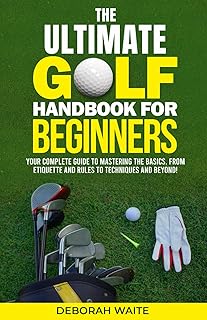
- Foundational etiquette and on‑course conduct
- Rules overview tailored for beginners
- Core swing techniques and practice drills
- Practical tips for building consistency quickly
Golf All-in-One For Dummies

- Beginner-friendly overview of golf concepts
- Rules, etiquette, and equipment explained clearly
- Comprehensive guidance on swing fundamentals
- Practical drills to build confidence and consistency
Ben Hogan’s Five Lessons

- Modern fundamentals distilled into five core lessons
- Focus on balance, posture, grip, and alignment
- Clear progression from setup to swing mechanics
- Time-tested drills from a legendary instructor
How to Play Golf For Beginners

- All-in-one guide to rules, clubs, and etiquette
- Guidance on putting, driving, and chipping
- Strategies for practice routines and course management
- Beginner-friendly explanations and illustrations
Definitive Golf Instruction Book

- Simple lessons for a consistent swing
- Drills designed to build confidence on the range
- Structured progression from setup to swing execution
- Accessible guidance for new players with varied goals
Buying Guide: Key Purchase Considerations For Beginner Golf Books
Choosing the right golf book as a beginner depends on learning style, goals, and how you plan to practice. Consider the following perspectives to select the best fit.
- Learning style: Step-by-step instruction versus broad overview. Some books emphasize drills and practice routines, while others focus on fundamentals and rules. Pick the style that aligns with how you learn best.
- Content breadth: If you want a single resource covering etiquette, rules, and technique, a comprehensive all‑in‑one guide is helpful. If you prefer targeted topics, choose a title that specializes in your current needs (e.g., swing basics or on‑course strategy).
- Visual aids: Diagrams, photos, and illustrations can significantly boost understanding of grip, stance, and swing path. Prioritize books with clear visuals if you’re a visual learner.
- Progression and drills: Look for books that provide structured practice plans, beginner drills, and progression curves so improvements are measurable over weeks and months.
- Author credibility: Books from well‑known instructors or respected publishers may offer time‑tested methods. Consider the author’s background and reception among beginners and coaches.
- Format and accessibility: Some titles include companion online resources or videos. If you learn best with multimedia support, verify available extras and accessibility.
- On‑course practicality: For newcomers, emphasis on etiquette and course management can accelerate comfort levels on real courses.
How To Compare These Titles At A Glance
- All-in-One options (e.g., Golf All-in-One For Dummies) provide broad coverage and quick references, suitable for starting from scratch.
- Swing fundamentals titles (e.g., Ben Hogan’s Five Lessons) offer focused technique insights that can accelerate early skill development.
- Etiquette and rules books deliver confidence for on‑course play and faster integration into groups.
- Progression and drills‑driven books are ideal if you want a clear practice roadmap with measurable steps.
Across these selections, the common thread is a practical, starter‑oriented approach that translates to real play. Beginners should balance theory with hands‑on practice, ensuring drills align with their current skill level and available practice time.