Golf game trackers help players measure performance, track shots, and make data-driven improvements on and off the course. This guide highlights five top options that blend sensor networks, GPS rangefinding, and digital caddie features. Whether you want automatic shot tracking, course knowledge, or precise distance data, these systems cover a range of budgets and needs for American golfers.
Summary of chosen products
| Product | Brand | Key Feature |
|---|---|---|
| Arccos Smart Sensors GEN 4 | Arccos Golf | Automatic game tracking with AI caddie, 16 sensors, 1 putter sensor |
| Blue Tees Player+ AI GPS Speaker | Blue Tees Golf | Touchscreen GPS, 40,000+ courses, hazard detection |
| Arccos Smart Sensors GEN 3+ | Arccos Golf | Automatic tracking with 14 sensors, 1 putter sensor, AI features |
| Garmin Approach R10 | Garmin | Portable launch monitor for home/indoor use with stats |
| Izzo Swami KISS 2.0 | Izzo | Handheld GPS rangefinder with course maps and i-Caddie tech |
Arccos GEN 4 Smart Sensors — Automatic Golf Tracking

The GEN 4 system includes 16 weather-resistant, ultra-light sensors (one for every club in your bag) with 15 regular sensors and 1 putter sensor. New users receive a free first year of membership to the Arccos app from activation, with ongoing access after the first year via a paid plan. This setup enables automatic tracking of shots and distances, providing data-driven insights while you play. Arccos is recognized as the official game tracker of the PGA TOUR, making it a trusted choice for serious golfers.
Blue Tees Player+ AI GPS Speaker

The Blue Tees Player+ combines GPS distance measurements with a built-in speaker and touchscreen. It offers 40,000+ mapped courses, dynamic hazard alerts, and scorekeeping directly on the device. The touchscreen makes navigation simple, while the long battery life supports extended rounds. Hazard detection helps golfers plan shots with real-time course data, and the device serves as a compact, all-in-one companion on the course.
Arccos GEN 3+ Smart Sensors — Tracking System

The GEN 3+ system brings 14 weather-resistant, ultra-light sensors (one for each club) plus a dedicated putter sensor. It includes a free first-year membership to the Arccos Caddie app from activation, with ongoing access after the first year under a paid plan. This setup continues Arccos’ tradition of comprehensive shot tracking and PGA TOUR association, helping players compare performance to pro benchmarks and optimize your approach.
Garmin Approach R10 Portable Launch Monitor
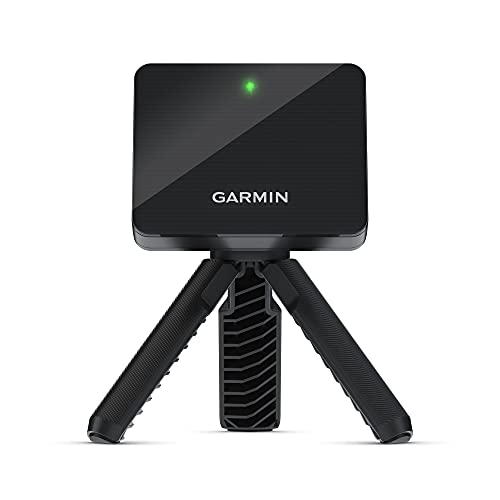
Garmin’s Approach R10 is a compact, portable launch monitor designed for home use or practice on the driving range. It provides metrics such as club head speed, ball speed, launch angle, and more when paired with the Garmin Golf app. The device supports training modes and includes a shot dispersion chart to help players understand and improve consistency. It is IPX7 waterproof and emphasizes indoor-to-outdoor versatility for game improvement at home or on the course.
Izzo Swami KISS 2.0 Handheld Golf GPS Rangefinder

The Swami KISS 2.0 offers precise distance measurement across more than 38,000 courses with auto-recognition. Its i-Caddie technology delivers personalized club suggestions based on distance to target, while the device remains weather-resistant and robust for on-course use. The two display modes offer front/center/back yardages or a simplified center-readout, helping players quickly choose the right club under pressure.
Buying Guide
- Tracking scope: Decide between automatic shot tracking (sensor-based) and GPS/rangefinder devices. Sensor systems like Arccos provide per-shot data, while GPS devices emphasize distance and course knowledge.
- Course coverage: Consider the number of courses mapped and offline capabilities. Devices with 40,000+ courses offer broad coverage for frequent travelers, while compact devices focus on local courses.
- Battery life and durability: Look for weather resistance and battery longevity for all-day rounds. Ultra-light sensors help reduce bag weight, but ensure the battery life meets your playing patterns.
- Software and ecosystem: AR/AI caddie features and app data quality matter. Some systems include free first-year memberships; consider ongoing costs after introductory periods.
- Display and usability: Touchscreen vs. physical buttons, in-device scorekeeping, and readability in sun glare influence on-course usability.
- Data depth: If you want in-depth analytics, prioritize systems with club-specific metrics, shot dispersion charts, and integration with popular golf apps.
- Portability vs. function: Handheld GPS/rangefinders are highly portable; full sensor ecosystems add bulk but deliver richer data. Choose based on how you play (solo practice vs. competition).
- Price and value: Weigh up-front costs against included memberships, data history, and potential savings from improved scores over time.
These options provide a spectrum of tracking depth—from automatic shot tracking and AI-guided insights to portable launch monitors and robust GPS rangefinding. Each system offers unique advantages for players seeking data-driven improvements, and the best fit depends on how you play, where you play, and how deeply you want to analyze your performance.