Golf yardage measuring devices help players of all levels make informed decisions on the course. From GPS-enabled handhelds to laser rangefinders and swing analysis tools, these devices provide precise distances to greens, hazards, and targets. The following selections highlight reliable models with global course maps, slope adjustments, scorekeeping, and durable builds suitable for frequent play on American courses. Use this guide to compare features, usability, and battery life for confident course management.
Summary at a glance: the chosen products below cover GPS and laser rangefinding capabilities, course maps for thousands of courses, slope-adjusted distances, onboard scorekeeping, and rugged waterproofing. This table helps you quickly compare key attributes and decide which device fits your playing style and budget.
- Blue Tees Golf Player+ AI-Powered GPS Speaker (Black)
- Bushnell Phantom 3 Slope GPS
- Blue Tees Golf Player+ AI-Powered GPS Speaker (Navy)
- Izzo Swami 6000 Handheld Golf GPS
- CANMORE H300 Handheld GPS Golf Device
Blue Tees Golf Player+ GPS Speaker with AI

The Blue Tees Golf Player+ integrates a touchscreen GPS with an AI-powered feature set to help golfers visualize distances. It powers through more than 40,000 courses and offers both visual and audible distance readouts, which can save time on the tee. A dynamic hazards feature provides insight on bunkers, water hazards, and other on-course threats. The device also supports on-device scorekeeping, so players can track rounds without a separate notepad. Its IPX7 waterproof rating adds confidence in damp conditions, making it suitable for wet mornings or after rain delays. Battery life exceeds ten hours, enabling lengthy rounds without frequent recharges.
Key features include a user-friendly touchscreen interface, driving distance tracking for improved tee shots, dynamic hazards alerts for strategic decisions, and built-in scorekeeping. The device aims to streamline course management by consolidating distance metrics and round data in one compact unit.
Bushnell Phantom 3 Slope GPS

The Bushnell Phantom 3 Slope GPS is designed for golfers seeking slope-adjusted yardages with a handheld form factor. The device provides slope-compensated distances at a touch and features a responsive touchscreen with an intuitive user interface. The Slope function helps gamers understand how uphill or downhill slopes affect distance, facilitating smarter club selection on challenging holes. The model includes a magnetic mount option for hands-free viewing and easy on-cart placement. With thousands of courses preloaded, players can quickly locate needed distances on familiar or new layouts.
Considerations for use include slope accuracy, readability in bright sun, and how well the on-device data sync integrates with course data. Its handheld design makes it a good fit for players who prefer quick, one-handed access to distances without attaching a larger device to a cart or belt.
Blue Tees Golf Player+ Navy Edition

This Navy edition of the Blue Tees Golf Player+ mirrors the Black variant in performance metrics, offering a touchscreen interface, extensive course coverage (40,000+ courses), and both visual and audible distance outputs. The device is designed to provide dynamic hazard alerts and onboard scorekeeping, minimizing interruptions during play. A robust battery life of more than ten hours supports long rounds or multi-day events. The IPX7 waterproof rating ensures reliability in wet weather or occasional splashes on the cart path. Overall, it is a strong option for players who value consistency across course maps and dynamic hazard data.
When evaluating, consider color preference and the ergonomic feel of the touch interface, particularly in wet conditions or with sweaty hands. The ability to store scores and track round progress on the device can add meaningful tracking over a season.
Izzo Swami 6000 Handheld Golf GPS

The Izzo Swami 6000 is a handheld GPS with global coverage of more than 38,000 courses. It provides precise measurements to the front, center, and back of greens, as well as layup distances and hazard carries. Notable features include auto-course recognition and auto-hole advance, which streamline play by automatically loading the next hole. A built-in scorecard allows golfers to track rounds directly on the device. This model is particularly appealing for players who value automatic course detection and a straightforward user experience that reduces the need for manual input during a round.
Consider its screen readability, battery endurance, and update frequency, since course maps and data accuracy are vital for dependable yardages. Substantial course coverage makes it a versatile option for travelers and weekly golfers who play at many courses.
CANMORE H300 Handheld GPS Golf Device
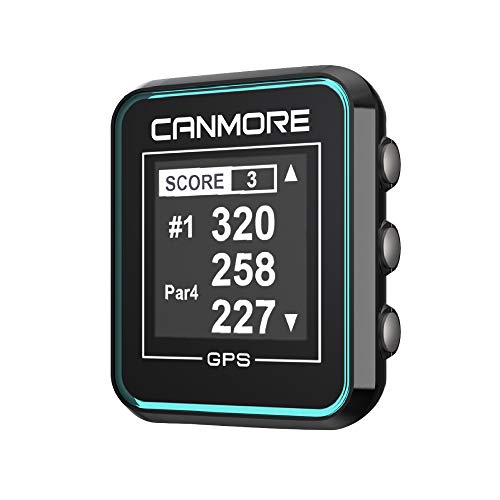
The CANMORE H300 is a handheld GPS device featuring worldwide course data with over 41,000 preloaded golf courses—no subscription fees required. It offers essential distances to the green, hazards, and shot distances with automatic course switching. A magnetic clip provides convenient mounting on a belt, pocket, or metal surfaces in a cart, helping keep the device accessible without occupying hand space during swing routines. The H300 emphasizes portability and instant course data access, making it a practical option for golfers who want a lightweight, no-fuss tool for on-course yardages.
Key considerations include the strength of the magnetic clip in real-world cart usage, the display readability under sunlight, and the speed of course recognition. The absence of ongoing subscription costs is a strong selling point for budget-conscious buyers who still require broad course maps and reliable yardages.
Buying Guide: Yardage Devices for Golf — What to Consider
- Type and primary use: GPS handhelds provide front/center/back distances and many offer hazard data and scorekeeping. Laser rangefinders offer precise yardages to pinpoint targets, often with slope adjustments for uphill or downhill shots. Some models combine GPS with hazard discovery for a comprehensive readout.
- Course coverage: Look for the number of global courses preloaded and whether there are easy updates. More course maps reduce the need to download data before playing unfamiliar courses.
- Slope and hazard features: Slope-adjusted distances benefit golfers who play on hilly courses. Hazard alerts help with risk assessment on bunkers, water, and other on-course dangers.
- Display and usability: A touchscreen or simple interface improves usability on the course. Consider readability in bright sunlight and how the device handles glare and wet conditions.
- Battery life and durability: Longer battery life supports multi-round days, training sessions, or travel. Look for water resistance or IP ratings for use in damp weather and cart-chassis mounting options for hands-free viewing.
- Additional features: Onboard scorekeeping, auto-course recognition, auto-hole advance, and wireless syncing with mobile apps can streamline round tracking and personal data analysis.
- Cost and maintenance: Some devices require periodic map updates or app subscriptions; others advertise no subscription fees. Weigh ongoing costs against the features you need most.
When selecting a device, consider your typical playing environment (cart path use, open greens, rough terrain) and whether you value a compact handheld form or a feature-rich unit with built-in scorekeeping. For travelers who visit many courses, a model with broad course databases and offline maps offers the most convenience. For dedicated cart players, a device with robust hazard data and reliable slopes can improve decision making on high-pressure shots. Finally, durability and waterproofing are essential for American weather variations, from early spring dew to summer rainstorms.