Answering the common buyer question, a hydraulic golf shaft puller is the most powerful option for safely removing shafts with high torque, especially when working with premium graphite or tightly fitted heads. This guide highlights top hydraulic and related shaft puller tools to help you choose the right tool for regripping, reshafting, or head separation. The selections below focus on stability, non-destructive designs, and suitability for both graphite and steel shafts. Ideal buyers include professional shop setups, serious hobbyists, and DIY enthusiasts tackling frequent club repairs.
Summary of selected products
| Product | Brand | Best For | Key Benefit |
|---|---|---|---|
| Foruly Golf Club Shaft Puller | Foruly | Professional-grade repairs | Professional-grade 2-ton hydraulic extraction power; zero-damage design for graphite & steel |
| ArlinaL Golf Clubhead Removal Tool | ArlinaL | Reshafting and regripping | Secure grip for precise, safe removal; durable aluminum/steel build |
| Golf Shaft Puller, Aluminum | Honsary | General club repairs | Precision screw mechanism; lightweight aluminum; adjustable hosel sizes |
| WIKIBB for Golf Shaft Puller Extractor | WIKIBB | Universal shaft removal | Non-destructive, even-pressure extraction; graphite & steel compatible |
| AUTOVIC Golf Shaft Puller Extractor Manual | AUTOVIC | Adapter and screw-based pulls | Manual screw-type with upgraded stability for stubborn adapters |
Foruly Golf Club Shaft Puller

Best for: DIY and professional users who need a complete repair kit with hydraulic extraction power. This kit includes a hydraulic 2-ton bottle jack, shaft clamp, and hosel protectors for .335–.350, enabling controlled, even force to detach club heads without bending shafts. Use this when high torque is needed and shaft protection is critical.
Why selected: The hydraulic mechanism provides steady, adjustable force for safe shaft removal. The zero-damage design minimizes risk of graphite or steel shaft damage during extraction.
Caution: Ensure compatibility with your club’s hosel size (.335–.350) and follow safe operating procedures to avoid misalignment during extraction.
ArlinaL Golf Clubhead Removal Tool

Best for: Shops and hobbyists prioritizing secure grip and precision during remounting or regripping. This tool clamps the shaft securely to prevent twisting while removing the clubhead.
Why selected: It emphasizes a secure grip and precision during removal, making it suitable for accurate repairs and regripping work. The durable aluminum/steel construction supports long-term use.
Caution: Weight and footprint are larger than some handheld options; ensure your workspace can accommodate stable setup during operation.
Golf Shaft Puller, Aluminum
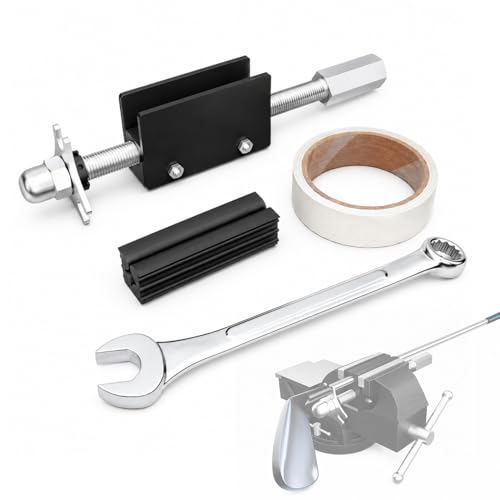
Best for: Lightweight, budget-conscious buyers who still require reliable non-destructive removal. Suitable for infrequent repairs and basic shaft extractions.
Why selected: All-aluminum construction reduces weight while maintaining strength, offering corrosion resistance and ease of handling. It works with both graphite and steel shafts for general repairs.
Caution: May not provide the same high-torque capability as hydraulic systems; advisable for lighter-duty or less frequent replacement tasks.
WIKIBB for Golf Shaft Puller Extractor
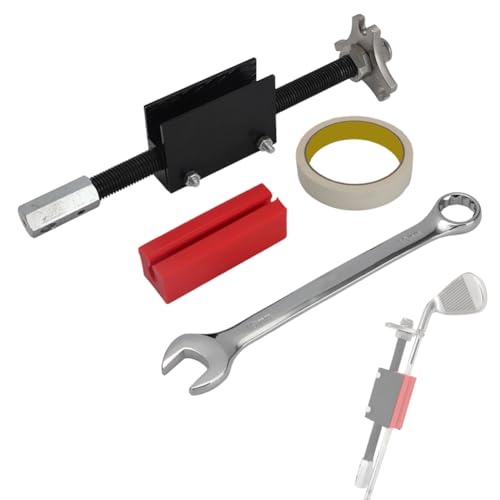
Best for: Players and technicians seeking a universal extractor that works on both steel and graphite shafts without damaging the club head. Ideal for restorations and upgrades.
Why selected: Features a non-destructive removal mechanism with even pressure to prevent deformation, making it a cost-saving, versatile option for ongoing repairs.
Caution: May require careful alignment to avoid mis-feeding the shaft through the puller mechanism on certain club models.
WIKIBB for Golf Shaft Puller Extractor Aluminum

Best for: Those needing a universal, non-destructive removal tool with aluminum construction. Suitable for ongoing maintenance and club upgrades.
Why selected: It mirrors the universal design of other WIKIBB tools, providing safe, even pressure to remove shafts and supporting a range of shaft types.
Caution: Ensure correct sizing for the club’s hosel and shaft before applying pressure to avoid shaft damage.
AUTOVIC Golf Shaft Puller Extractor

Best for: Users needing bench- or vise-clamp versatility for horizontal or vertical pulling. Compatible with most adapters and shafts.
Why selected: The upgraded thickened threaded rod and added fixing screws improve stability under high torque, aiding easier removal of stubborn adapters.
Caution: Adapter screws are not included; verify compatibility with your current adapters before use.
Buying Guide
- What type of shaft puller do I need?
- Hydraulic pullers excel in high-torque, high-demand scenarios and minimize shaft damage. Manual screw-type pullers are sufficient for lighter tasks and occasional repairs.
- Graphite vs. steel shafts:
- Look for non-destructive designs that apply even axial pressure to avoid twisting or head damage on graphite and steel shafts alike.
- Compatibility:
- Check hosel sizes (.335–.350, or other diameters), adapter compatibility, and whether the kit includes protective hosel guards.
- Setup considerations:
- Ensure a stable workspace with clamps, vises, and a flat bench. Hydraulic kits often require safe handling of pressurized components.
- Maintenance:
- Keep aluminum alloy tools dry to prevent corrosion and inspect thread rods for bending or wear after heavy use.
FAQ
What is the main advantage of a hydraulic shaft puller?
It provides controlled, powerful, steady force, reducing the risk of shaft or head damage when removing stubborn or high-torque joints.
Can I use any shaft puller on graphite shafts?
Yes, but choose a non-destructive design with even axial pressure to protect graphite shafts from cracking or twisting.
Are manual pullers sufficient for professional use?
Manual pullers are suitable for routine repairs, but hydraulic models are preferred for frequent, high-torque tasks in professional shops.
How do I prevent damage during removal?
Use protective jaws or hosel guards and ensure even pressure is applied along the shaft axis. Avoid twisting the shaft during extraction.
What should I check before buying?
Check compatibility (shaft diameter, hosel size), whether the tool is designed to be used with graphite or steel shafts, and whether the kit includes clamps, guards, and adapters you need.